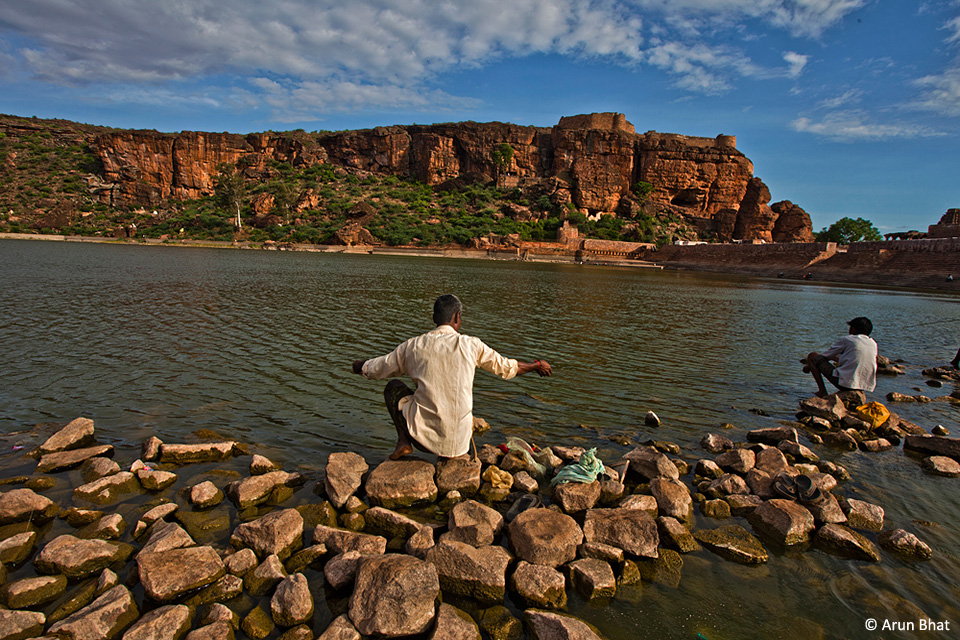
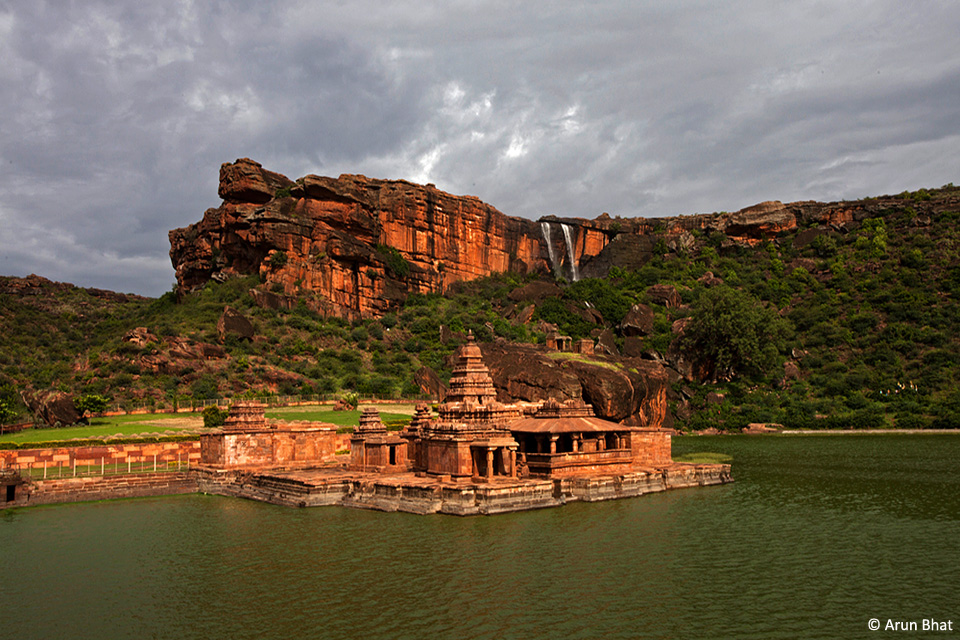
A fifteen hundred year old temple on the steps leading to a lake, sandstone cliffs surrounding the lake’s waters in three directions, ornate carvings inside the rock-cut temples on the cliff walls, and a sublime waterfall marking its bright streaks on the dark-brown cliff-face – together, they form the first and a lasting impression of Badami.
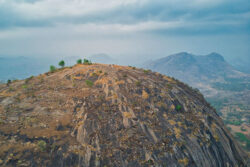
Badami is a small town lost in the dusty expanses of Central Karnataka. Its days of glory belong to an era in the past, when Chalukya Kings made this cliff-side habitat their capital, and used it as a base in their conquest of much of the Deccan plateau. The years of their dominance witnessed a boom in building temples, bringing sculptors from all over India to learn and create works of art from this mass of rocks.
The temples and the cliffs of Badami are rooted to the ground, mute witnesses to the rising and setting sun for millenniums, standing permanently as kingdoms changed hands and civilization galloped through ages. The waterfall, however, is a contrast to this everlasting landscape, making fleeting appearances soon after the rain bearing clouds empty into the earth in the monsoon months.
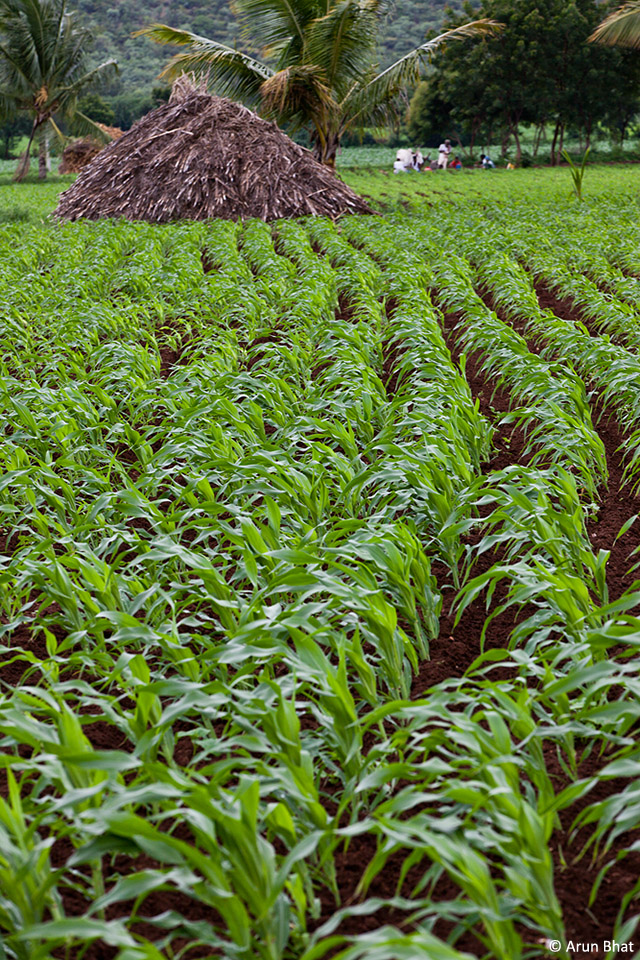
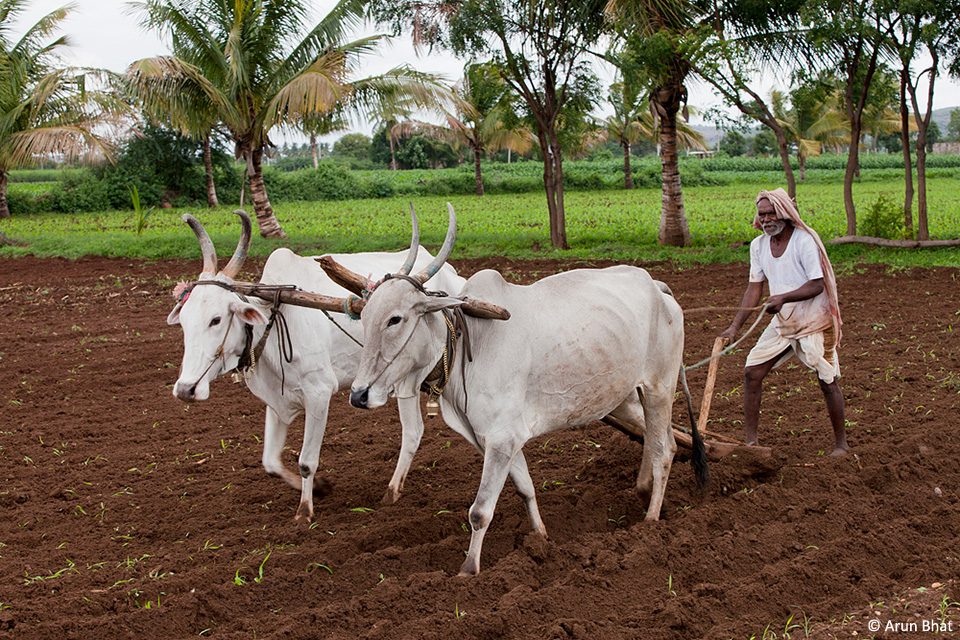
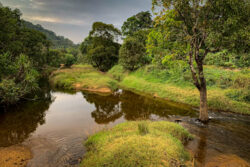
It is not just the waterfall that brings a change to this vista with the monsoons. The rainy days transform the life and landscapes around Badami. Scrub jungles turn green and shed their brown attire of the summer months. Flocks of sheep, often taken away to greener places in search of fodder, return to graze on the greenery that has just sprung from the earth. Farmers start ploughing the fields as the first rains hit the ground, prepping for another season of crops. The sun, blazing with anger until recently, now hides above the cloud cover. The temperature drops considerably and the days become pleasant. With the very first rain, Badami is suddenly a new, beautiful world.
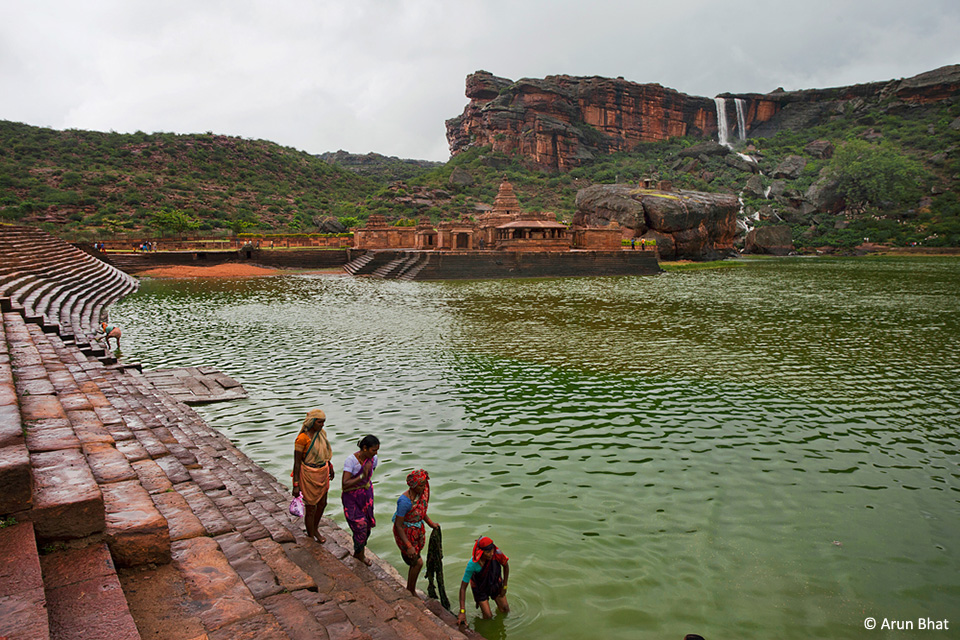
Although precipitation begins in much of the peninsula in the first two weeks of June, it is hard to say when this transformation begins in Badami. There are years when the first significant rainfall in the region occurred as late as August. It is not unusual see relatively rainless months in June, and July seeing a fair share of annual rainfall. A good indication of the amount of rains that has fallen in the past few months is given by the water level in Agasthyateertha – the tank surrounded by three cliffs into which the waterfalls empties.
Agasthyateertha is perhaps one of the earliest examples of how rainwater can be harvested to a scale that can feed an entire town. The tank is created by barricading the flow of monsoon waters in a location such that every drop of rain falling over the hills flows down to the tank. In places where the water would flow-off to another valley, embankments have been created to redirect the flow into the tank. The efficiency of the system is evident when you see the water level in this large tank going up nearly by a feet in just an hour’s good rain. The tank holds sufficient water, and it normally doesn’t run dry even in the summer months. It is perhaps the creation of Agasthyateertha that enabled dynasties of the past to survive even in this arid landscape.
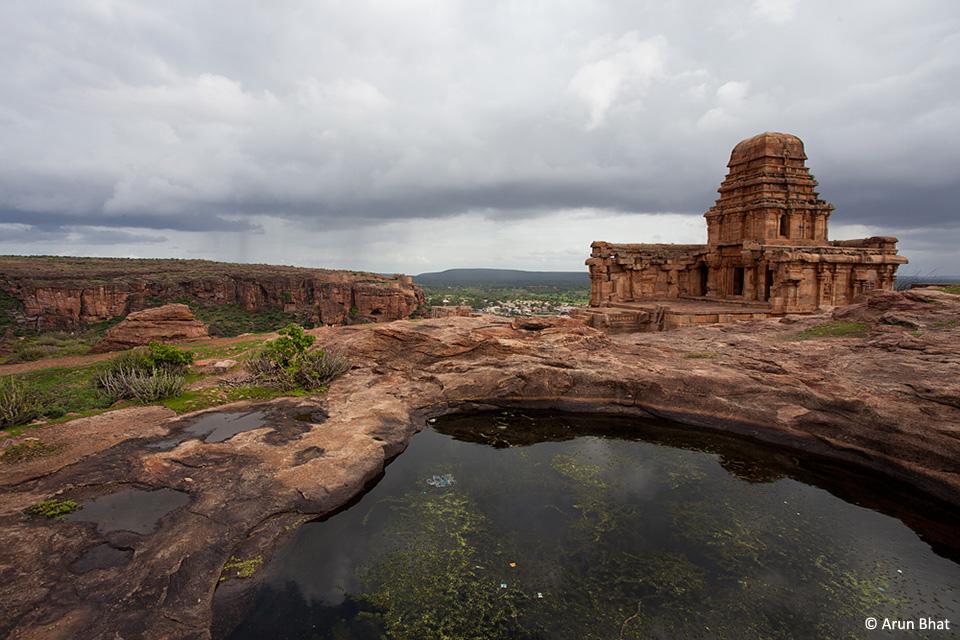
The effect of monsoon is apparent in the table land above the cliff as well. Small depressions in the rocky terrain fill up quickly, and forms small ponds and puddles that reflect the temples nearby as well as the cloudy sky.
Beyond these cliffs and away from the town, agricultural activity gets into full swing as the rains begin. While some farmers wait for the first rains, those who can afford borewells begin working as soon as they can. The crops planted are ones that can survive without much water, such as jowar, maize, green grams, groundnuts and cotton.
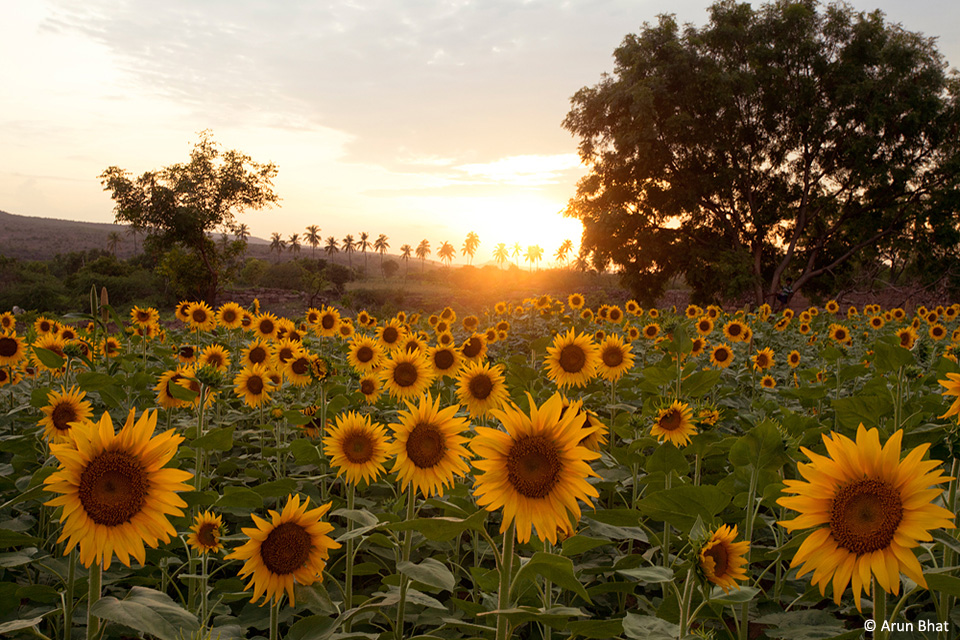
What stands visually well-apart among all these crops are sunflowers, which bloom and spread like a yellow carpet in late July. As you drive along these plains, it is common to see acres and acres of deep yellow fields dominating the landscape.




Instagram
junglelodgesjlr